
external toxins shape the internal terrain
learn how to minimize toxic exposure
what are external toxins?
external toxins are all the things in our environment that are unnatural and harmful to our body → chemicals, microplastics, heavy metals, mold
exposure occurs directly from the environment through the air, water, soil, and food. we breathe and absorb all these toxins and it forces the body to be in a constant state of defense
over time, the toxic accumulation eventually overwhelms our detoxing organs (liver phase I/II, kidneys, lymph, skin as secondary) and we start to see breakdowns in other systems...
»immune disruption→ you get sick all the time
»endocrine disruption→ infertility, diabetes, thyroid issues
»gut disruption→ chronic inflammation + pathogens (parasite,bacteria,virus,fungal) invade→ confuse immune system→ autoimmune diseases
»nervous system dysregulation→ anxiety, insomnia, brain fog, depression, chronic fatigue
»an overall "leakiness" throughout the body→ systemic inflammation, excess mucus, chronic pain
many of these toxins show up in unsuspecting ways...
›BPA chemical absorption every time you touch a printed receipt
›microplastic released in the air and into your lungs every time you sit on your couch or walk on the carpet
›billions of microplastics every time you use a tea bag
›new car smell = VOCs (volatile organic compounds), flame retardants, phthalates, and formaldehyde
the body is designed to heal, but it struggles to repair efficiently when it is continuously processing toxic exposures
in truth: you can’t eliminate every toxin, but you can dramatically reduce exposure by becoming aware of what you allow into your air, water, food, and home

we breathe
›synthetic fragrance chemicals
›mold and mycotoxins
›volatile organic compounds(VOC)
›microplastic in dust
›pesticide drift
›heavy metal particulates
›combustion/traffic pollutants
›chemtrail cocktails
we absorb
›fragrance+ in soap/lotion
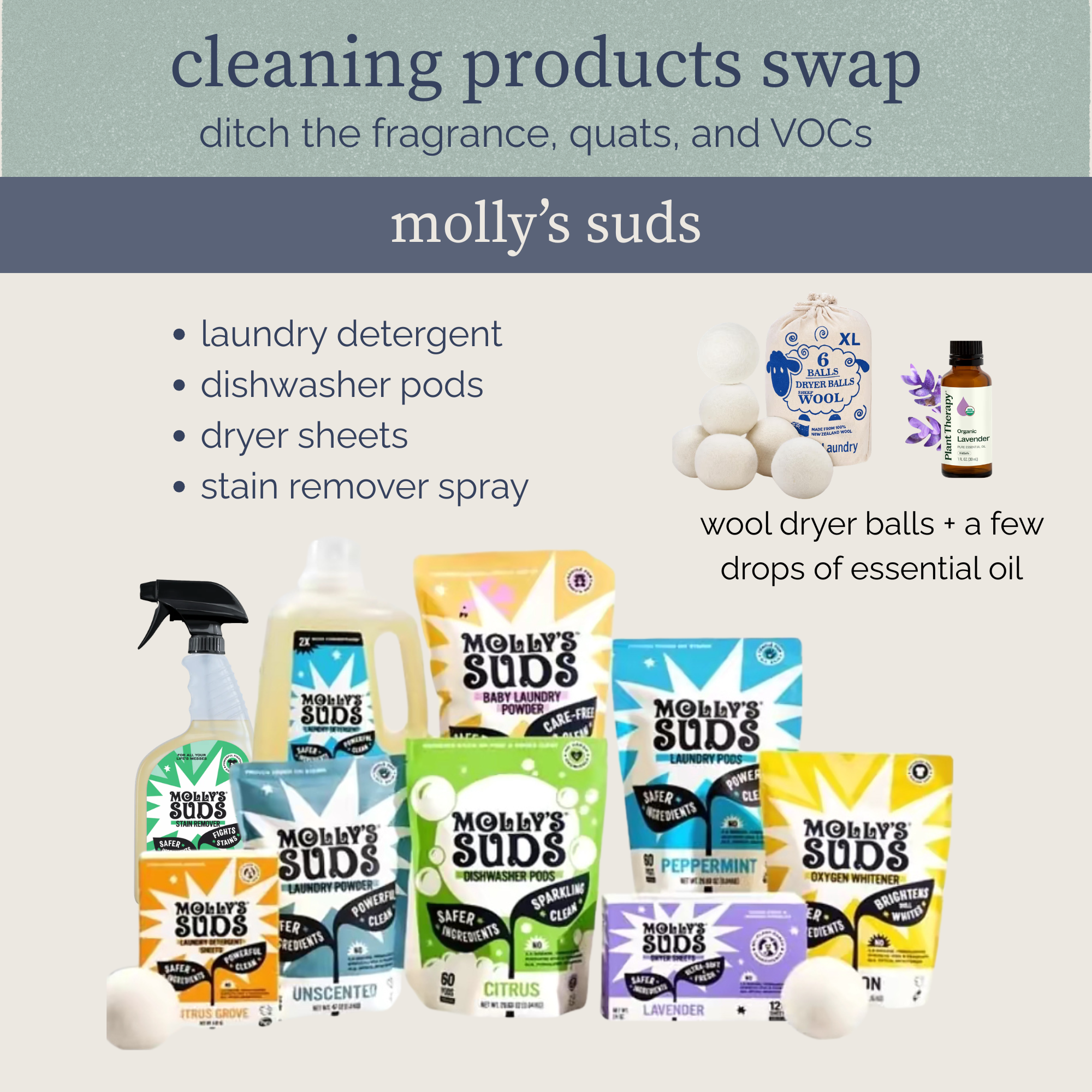
›fragrance+ in laundry products
›parabens/PEGS in skincare
›chlorine+ in bath water
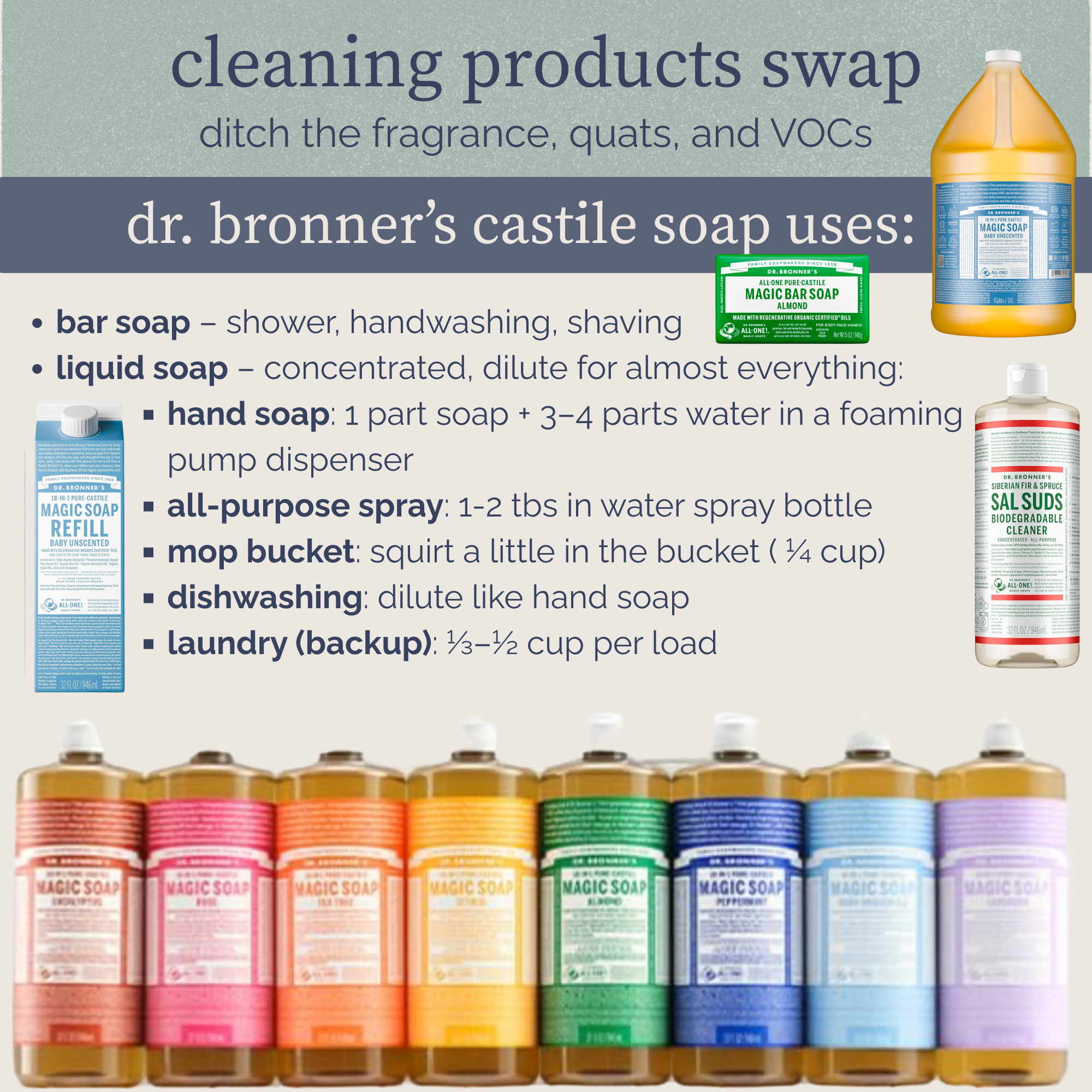
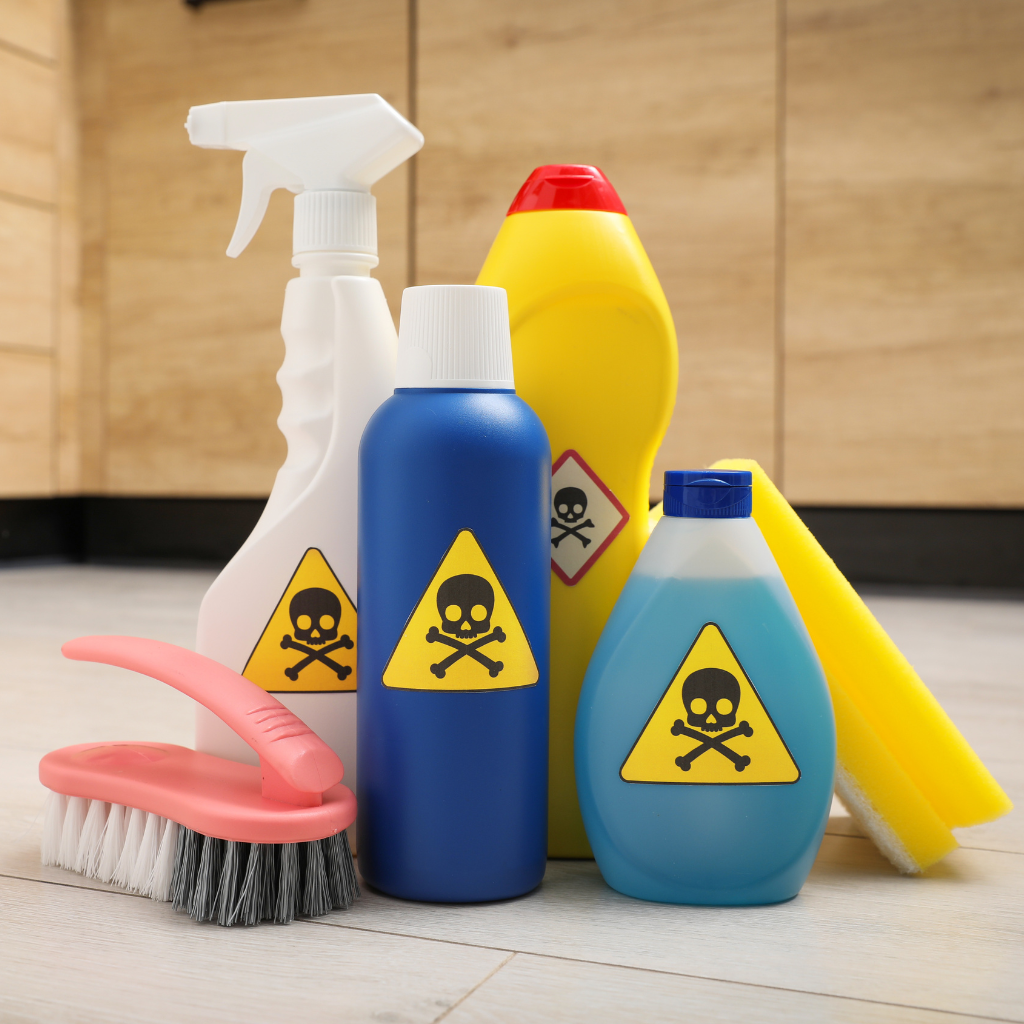
›SLS/Quats in cleaning products
›plastic/dyes in synthetic fabrics
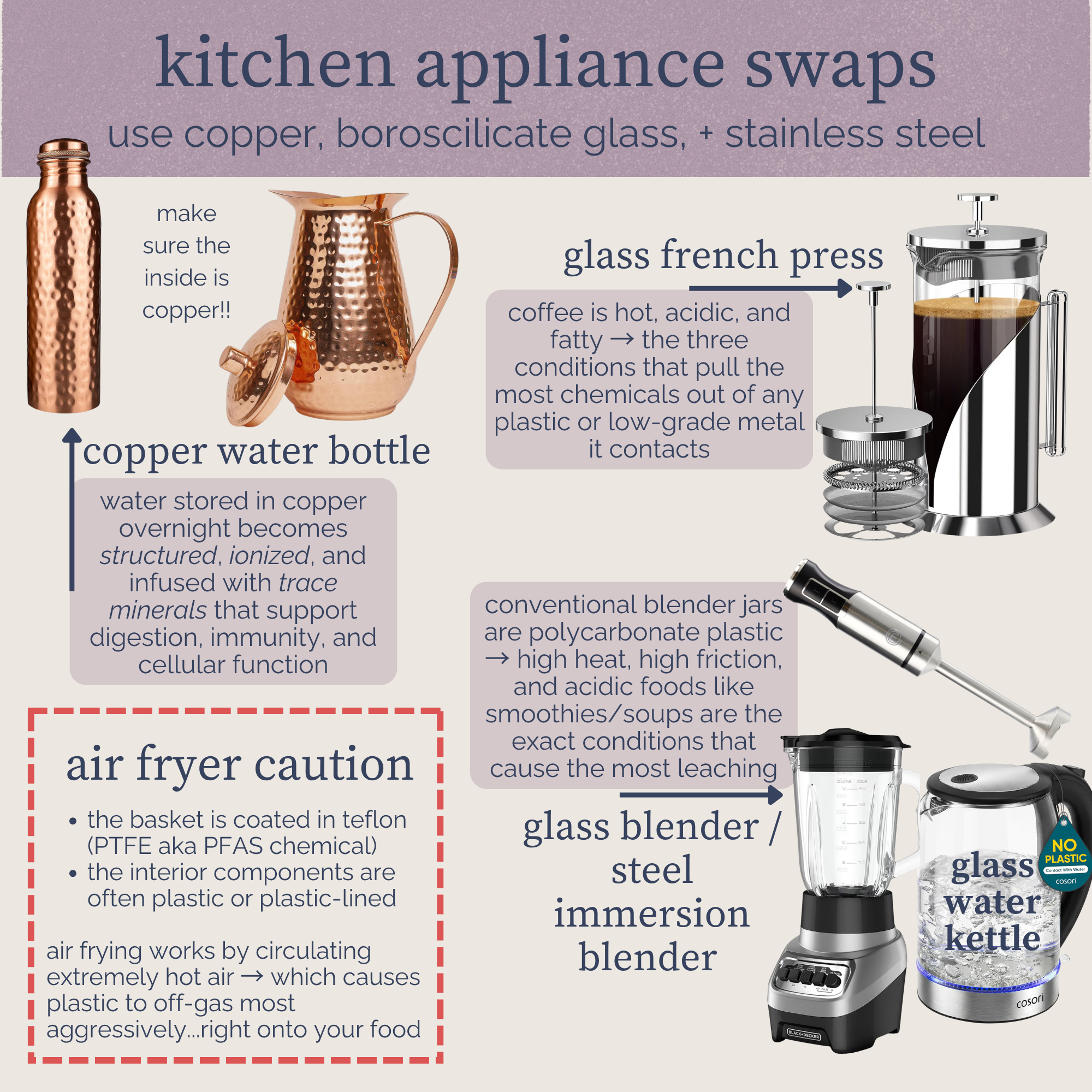
›plastic in drinking water
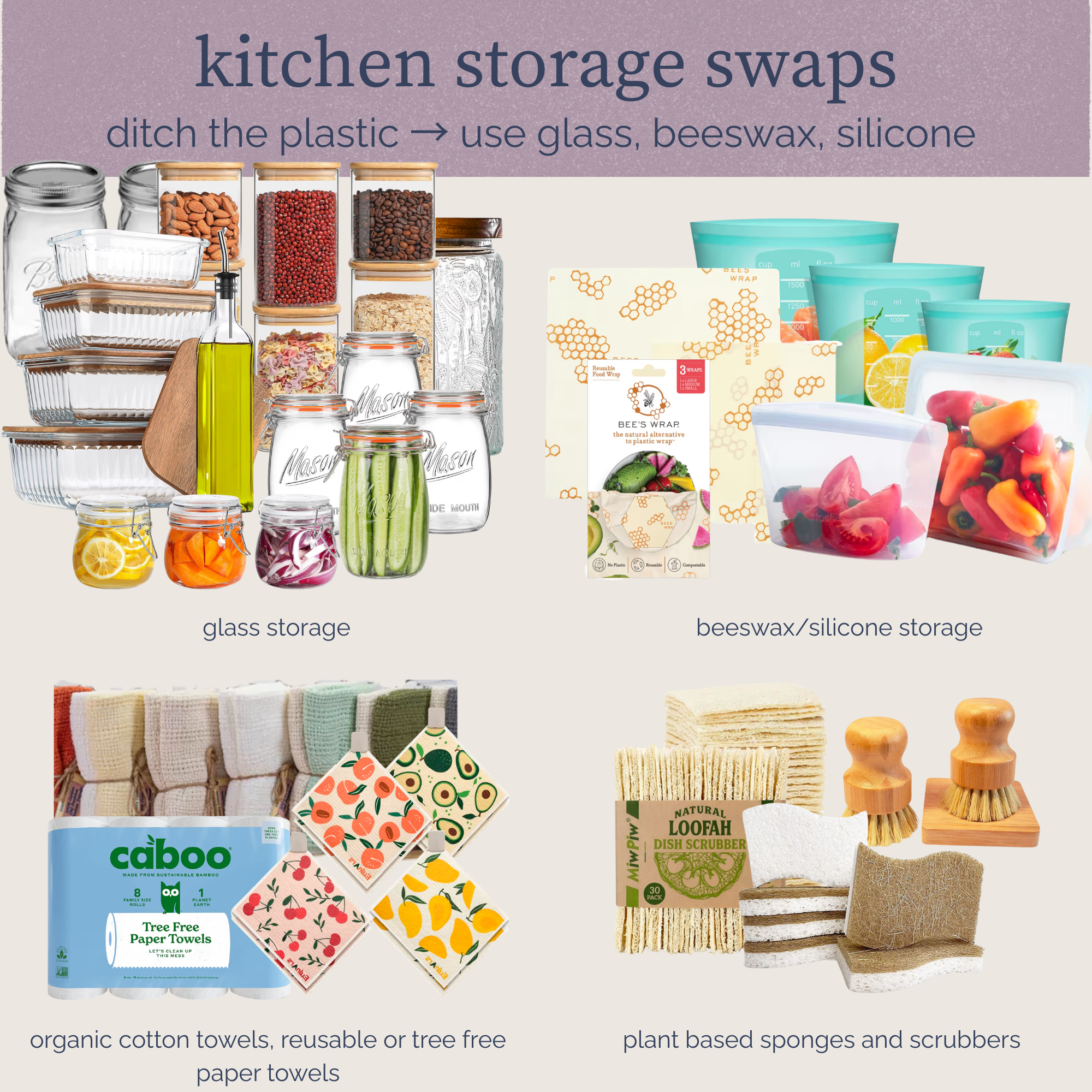
›plastic in food containers
›pesticides on produce
nervous system stress
›proximity to charging electronics, routers
›cellphone held to head
›5G towers
›artificial light/LED
›noise pollution
›constant screen exposure
›constant wireless headphones
›lack of grounding with the earth
as you can see → it's a lot of toxic exposure...daily
we shower in unfiltered water, soap and lotion with synthetic fragrance chemicals, dress in plastic-based clothing, and sleep wrapped in materials once reserved for the dead
and we wonder why our skin itches...
plastic is public enemy #1
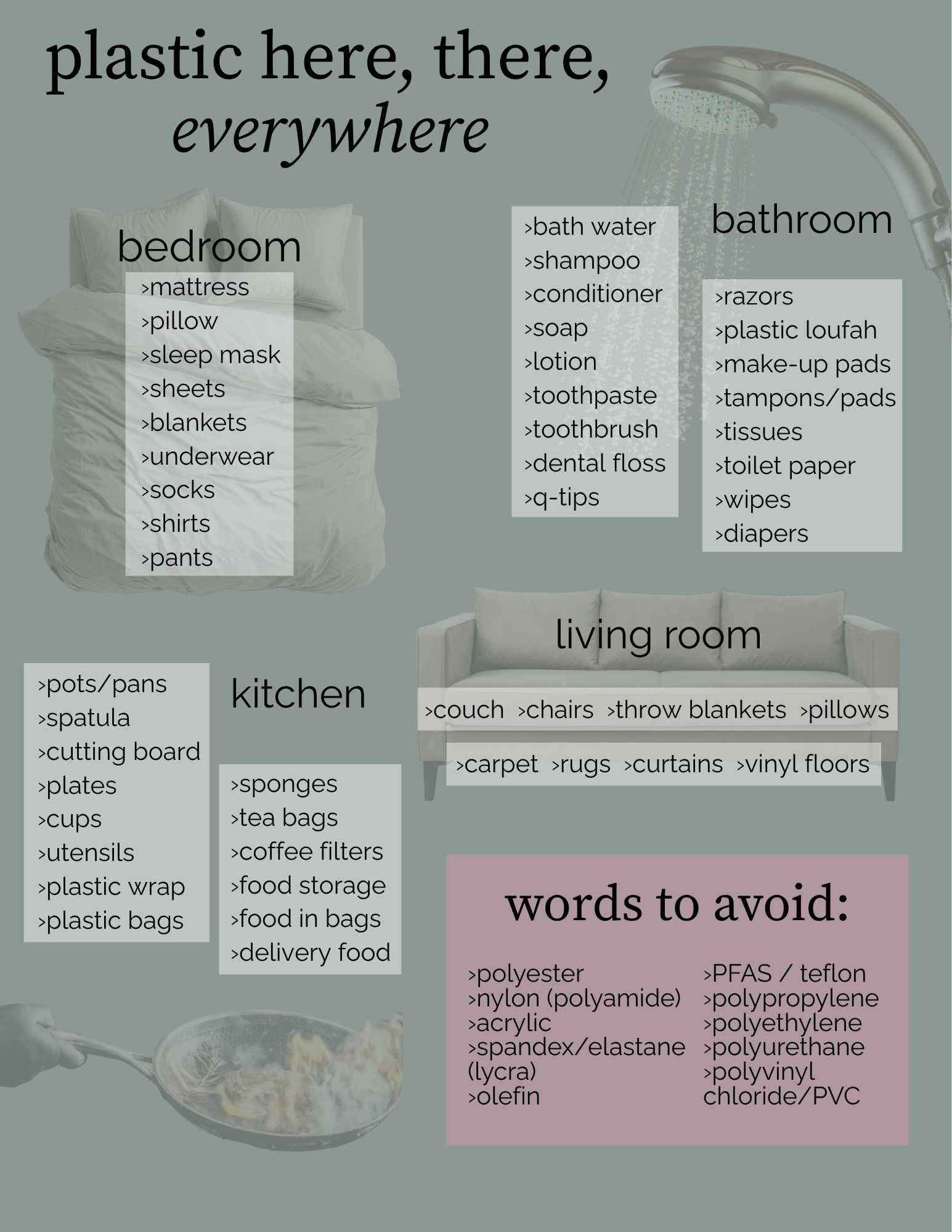
plastic is everywhere → in the water we drink, the food we eat, the air we breathe, and nearly every object we touch throughout the day
all "paper" coffee cups have a thin plastic lining inside made of polyethylene. pouring hot liquid into one cup→ releases around 25,000 microplastic particles into your drink in about 15 minutes…enjoy your plastic soup with a splash of caffeine
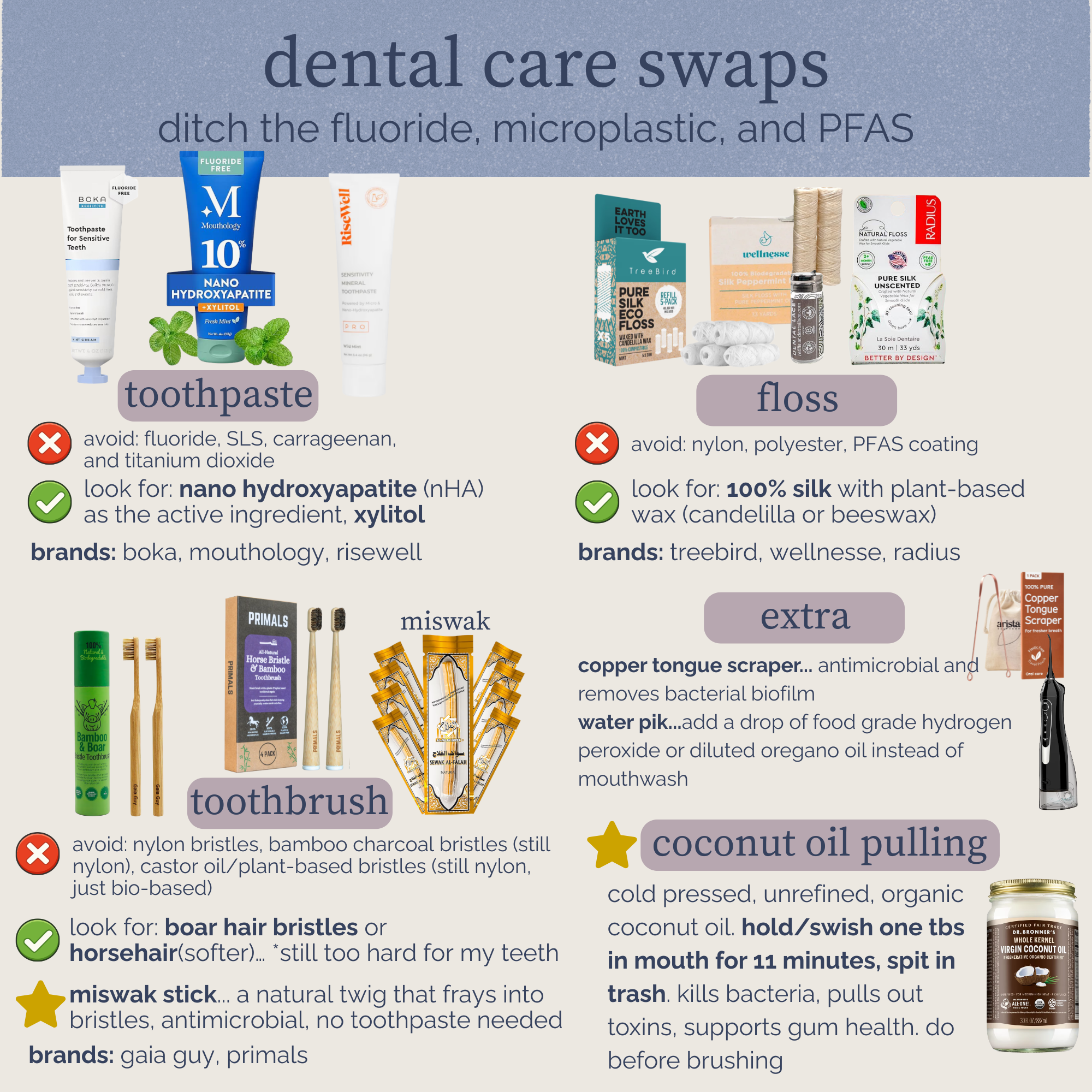
the 'eco-friendly' and 'plant-based bamboo' toothbrush brands didn't go plastic-free…they made the handle plastic-free while the bristles are still nylon, still petroleum-based → shedding over 12,000 microplastic particles into your mouth every day…but congrats on the healthy handle
your plastic cutting board seasons every meal with approximately 50 million microplastic particles a year. the more scratched it is, the better seasoned you are
plastic vs chemicals and PFAS?
PFAS (includes PFOA, PFOS + 12,000 variants)→ synthetic chemicals put on products, like plastic, clothing, carpets, food packaging → to make them non-stick or water repellant or stain resistant or high heat resistant
imagine regular plastic is like a plain cheese pizza...it's good, but basic so most people add "toppings" or chemicals to elevate the plastic functionality
•want flexibility → add plasticizers, phthalates → vinyl shower curtains
•non-stick → add PFAS → your pans
•won't bend → add bisphenol a, BPA / BPS / BPF → your water bottle, receipt paper
•won't burn → add flame retardants, PBDE → your couch and mattress
•won't grow bacteria → add triclosan → cutting boards, gym equipment
•won't breakdown → add stabilizers, oxybenzone / BP-1 / BP-2 → your sunscreen!
worth noting: oxybenzone is the active ingredient in most sunscreens → zinc oxide is the clean alternative
chemically, PFAS are created by replacing hydrogen atoms with fluorine, forming carbon–fluorine (C–F) bonds → some of the strongest in nature
as a result, they resist breakdown by heat, UV light, microbes, chemicals, and even time itself...
⇒ this is why PFAS are known as forever chemicals


what happens when plastic and chemicals get inside our body?
»plastic
physically breaks down into smaller and smaller pieces (microplastic/nanoplastic) → circulate in the body causing inflammation and physically irritating tissues, but not chemically active
the body doesn’t really know what to do with this “foreign body” so some is excreted and some stays...but it accumulates in tissues where it doesn't belong
»chemicals on plastic
leach off surfaces, dissolve in water, and spread everywhere in the body → chemically active compounds that can bind receptors and interrupt signaling
›phthalates → endocrine and reproductive disruptors
›PFAS → interfere with immune, thyroid, and hormone pathways...and never go away...
›BPA → mimics estrogen, blocks testosterone, disrupts thyroid signaling, disrupts insulin/glucose regulation
not all plastic is created equal...they all come with a unique blend of chemicals for you to absorb...we.are.blessed.
so...
⇒minimizing all plastic exposure is crucial for decreasing microplastic and chemical toxic burden
worth noting...
∴PFAS/PFOA/PFOS can all cross the placenta and breast milk → babies are now born with plastic chemicals in their blood
and these chemicals are able to bind receptors → resulting in endocrine disruption, immune dysfunction, and growth/developmental delays
⇒ likely a contributing factor in autism
∴PFAS also detected in semen
⇒ likely a contributing factor in infertility
plastic in clothes?
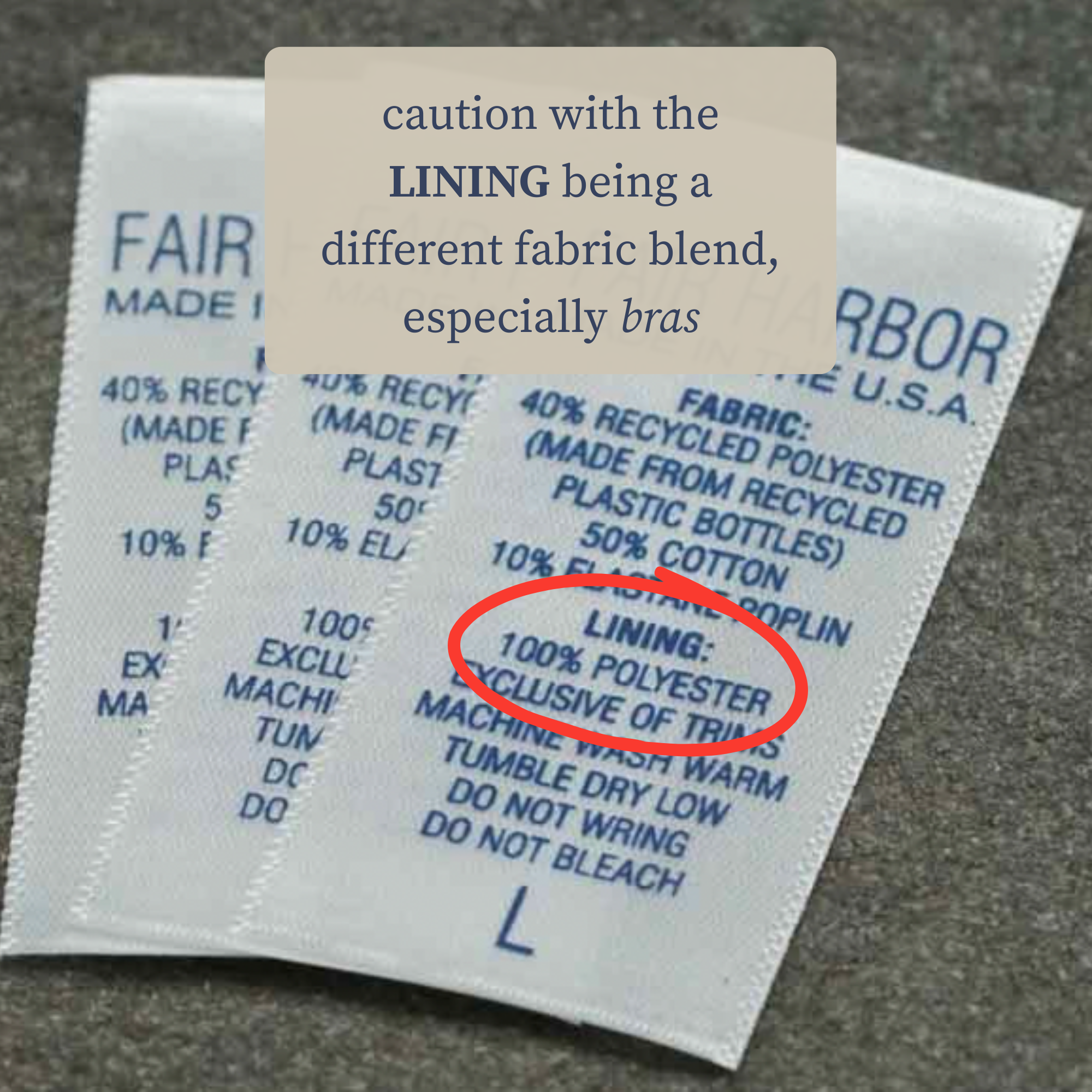
unfortunately, most of our clothing is made from polyester...even expensive brands
polyester is plastic.
plastic comes from petroleum oil.
the same fossil fuel that goes into your gas tank → gets refined, melted, spun into fibers, and sold to you as a cozy sweater
every time you move, sweat, wash or dry it → microplastics, dyes, chemicals, and VOCs are released...which we breathe and absorb
and since we wear clothes most hours of the day...the toxic exposure adds up over time
what hides under the name polyester?
»nylon, acrylic, spandex, elastane, lycra, microfiber, fleece
...different names, same petroleum-based plastic fibers woven into your clothing, shedding microplastics and chemicals into your body with every wear
⇒extremely important to avoid polyester, spandex, elastane in underwear/bras/leggings
what clothes are safe?
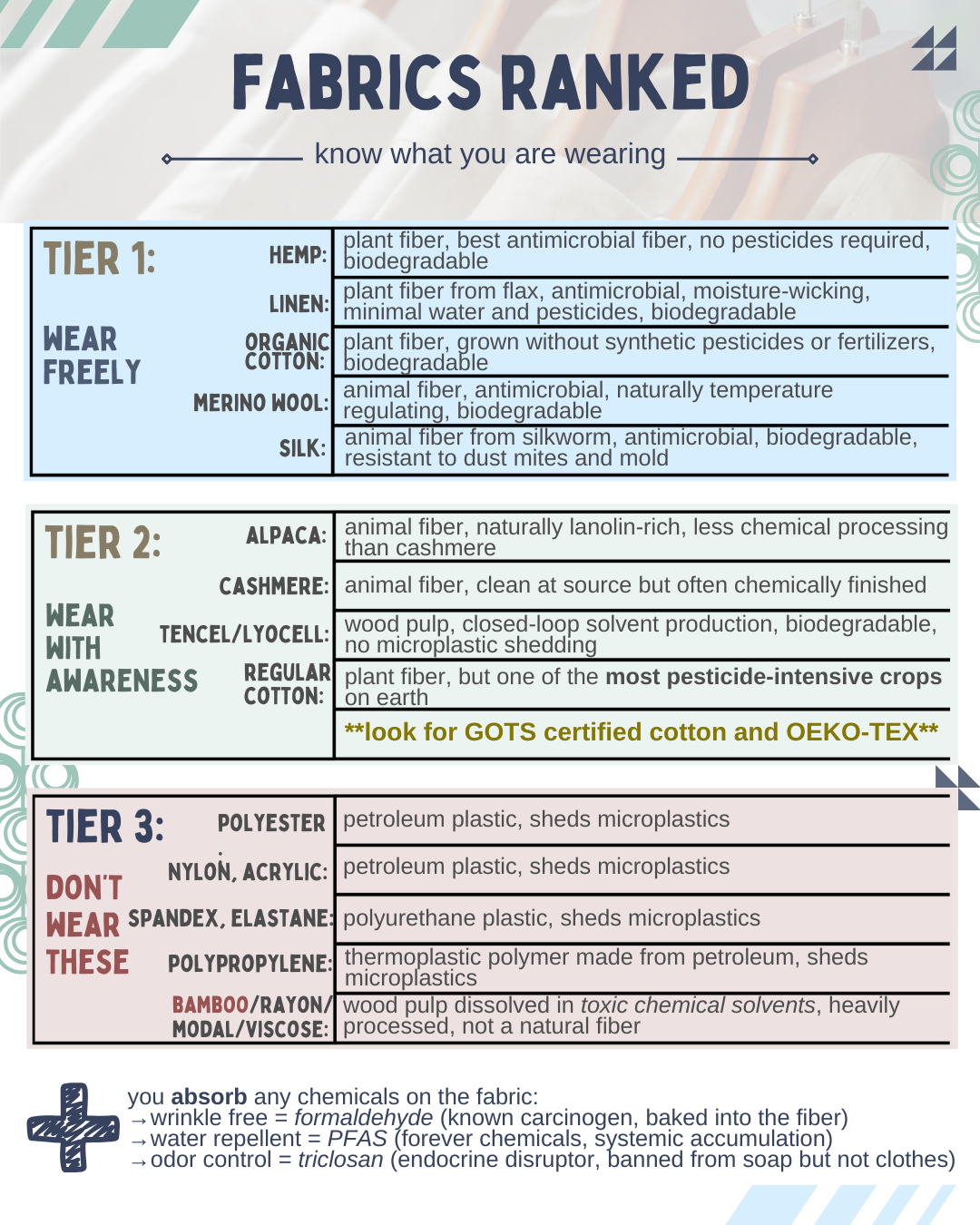
you want clothing that is made from 100% natural fibers
›made from plants (cotton, linen, hemp)
›made from animals (wool, cashmere, silk)
›made from tencel/lyocell → technically a manufactured fiber made from wood pulp, but is biodegradable and doesn't shed microplastics
these fabrics are breathable, biodegradable, and generally less chemically intensive

⇒hemp, flax linen and GOTS certified 100% organic cotton are the safest clothes to wear
»organic cotton → soft, breathable, and versatile, ideally GOTS certified
»hemp → naturally pest-resistant, requires almost no pesticides, gets softer with every wash, and is one of the most durable fibers on the planet
»linen → breathable, antibacterial, and one of the oldest and cleanest fabrics in existence, just avoid anything with wrinkle-resistant finishing
»wool → naturally temperature regulating, fire resistant without chemical treatment, and biodegradable, look for ZQ certified or RWS to ensure it wasn't dipped in organophosphate pesticides
»cashmere/alpaca → cashmere is often chemically finished especially at low price points →if it's cheap, it's processed. alpaca is the cleaner alternative, naturally lanolin-rich and less chemically intensive across the board
»silk → one of the cleanest fibers by default but watch for metallic salt finishing in conventional silk, ideally OEKO-TEX certified
what do the certifications mean?
1. GOTS (global organic textile standard) → the gold standard. covers the entire supply chain from organic fiber cultivation, chemical processing, dyes, wastewater treatment, and labor conditions
has two types of labels:
»tier one = organic = requires 95% certified organic fibers
»tier two = made with organic materials = only requires 70% certified organic fibers
even GOTS allows up to 5 or 30% non-organic content (synthetics like spandex/elastane), so you must read the label
→even "clean brands" use that 5 or 30% to sneak in harmful fabrics...especially activewear
that 5% spandex isn't just a small compromise → it's enough to contaminate the entire garment. elastane is a polyurethane-based plastic that sheds microplastics with every wash, every wear, and every stretch. the whole thing becomes a microplastic delivery system against your skin for the entire duration of the workout, while you sweat, with open pores...
sure, it's a fraction of the microplastic load of a full polyester shirt...but 5% is still 5% more than zero. you don't smoke one cigarette a day and call yourself a non-smoker...
2. OEKO-TEX standard 100 → tests the finished garment for residues of 1,000+ harmful substances including pesticides, heavy metals, formaldehyde, and azo dyes. only tests the finished product, not how it was grown
3. OCS (organic content standard) → verifies organic fiber percentage only, says nothing about processing or chemicals
4. ZQ certified → covers merino wool specifically, addresses pesticide use, animal welfare, and land management
5. RWS (responsible wool standard) → broader than ZQ, covers all wool breeds, animal welfare and land stewardship
safe(er) clothing
finding affordable organic cotton clothing is genuinely hard. here's how to prioritize without losing your mind or your wallet
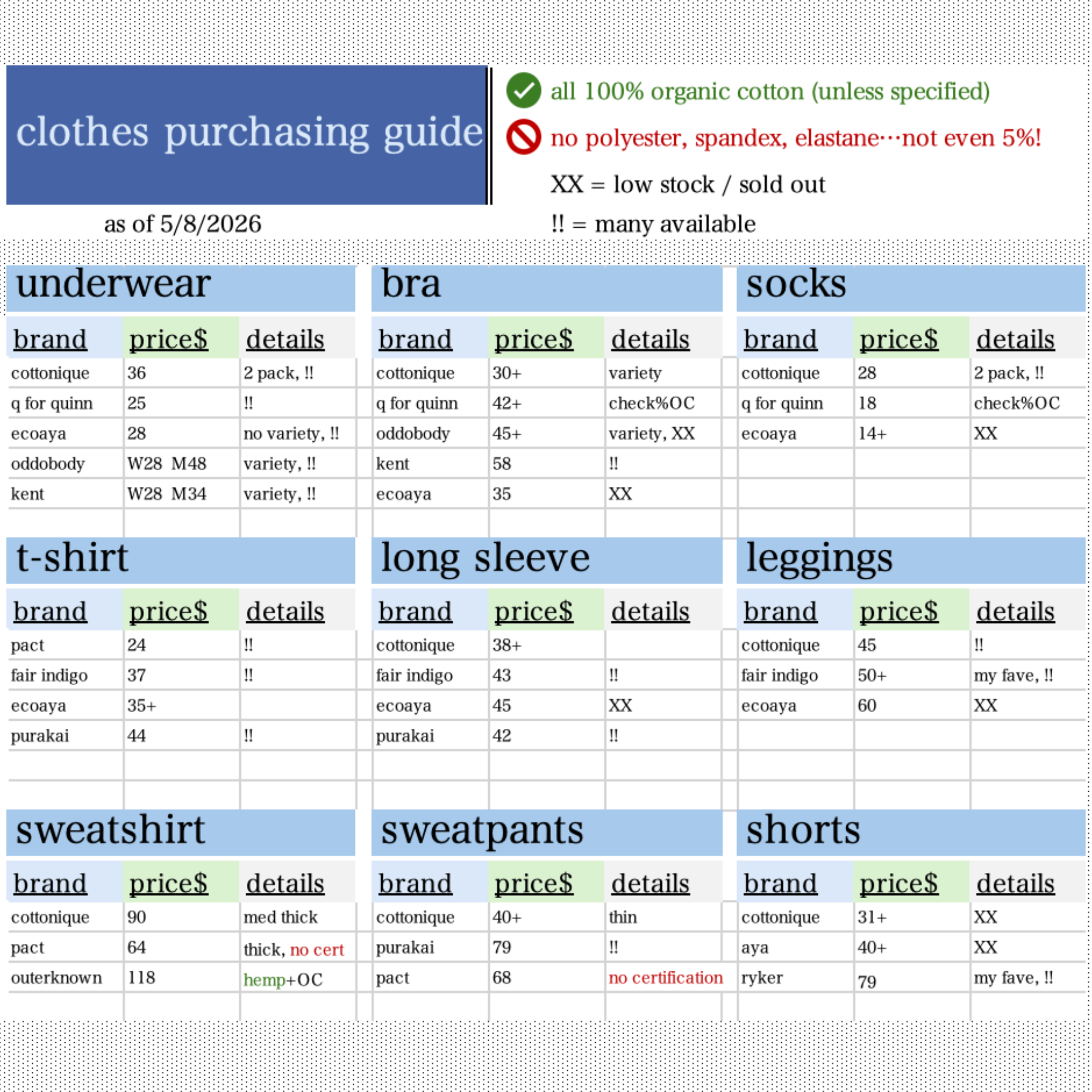
non-negotiable: underwear, bras, leggings, socks
these sit against the most absorptive skin on your body → directly over lymph nodes and close to reproductive organs… with no barrier layer, for up to 16 hours a day. if you spend your organic budget anywhere, it's here
»for a one-stop shop: cottonique carries all four
the honest middle ground for everyday tops and pants:
ideally these would be organic too. but organic cotton shirts at $25+ each become fiscally irresponsible if you are like me and stain your shirt within minutes of putting it on...
so the best middle option is 100% regular cotton, washed multiple times in hot water before wearing. hot water washing removes a meaningful amount of surface pesticide residue, formaldehyde treatments, and excess dye. it’s not perfect, but significantly better than anything polyester
100% cotton and linen beat synthetic blends regardless of certification. you're not adding polyester off-gassing, PFAS finishing, or phthalate-based dyes to the equation
a lot of big name brands carry 100% cotton options if you look for them:
»gap, old navy, quince, abercrombie, amy coulee, gildan, hanes
organic cotton purchasing guide
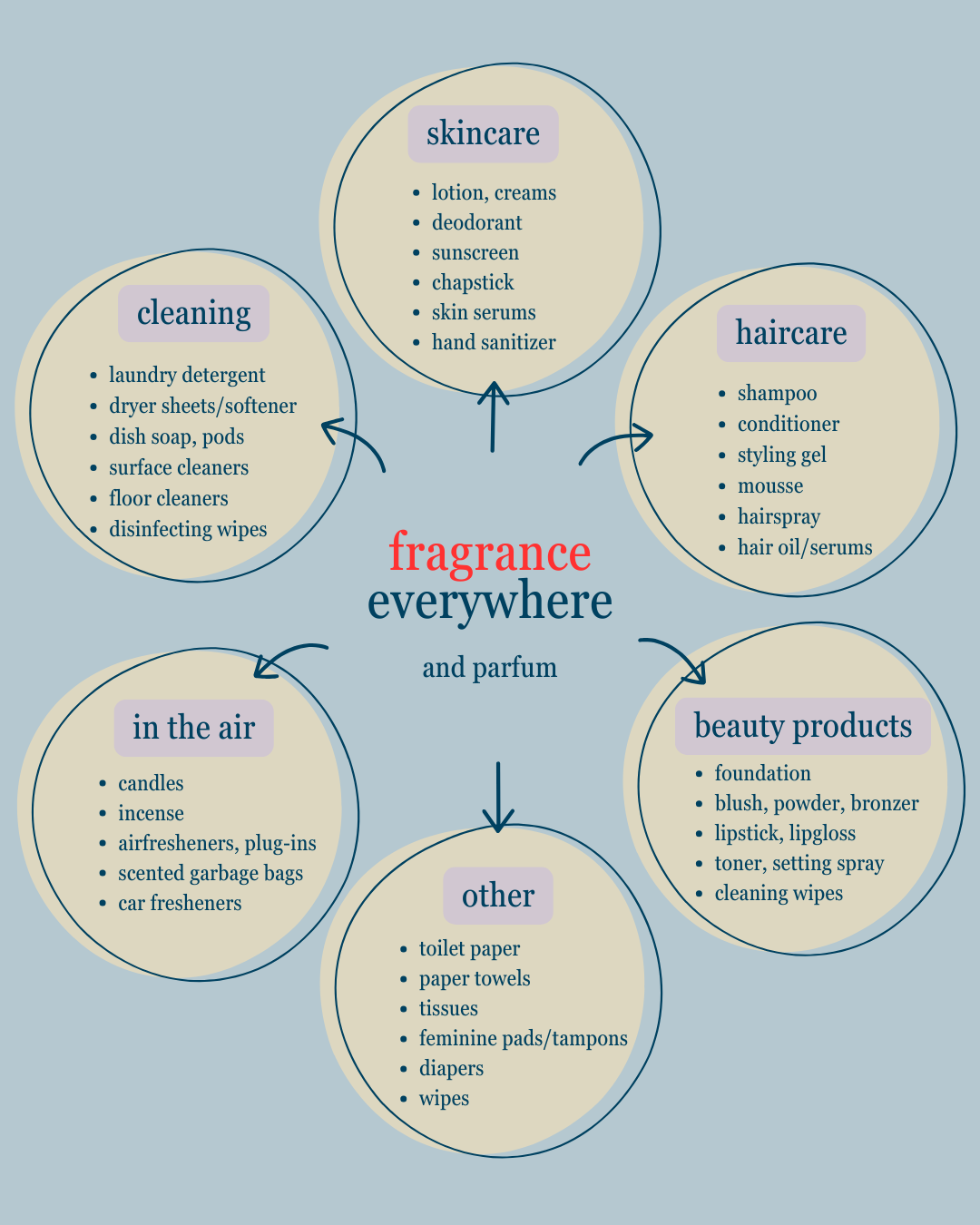
fragrance is public enemy #2
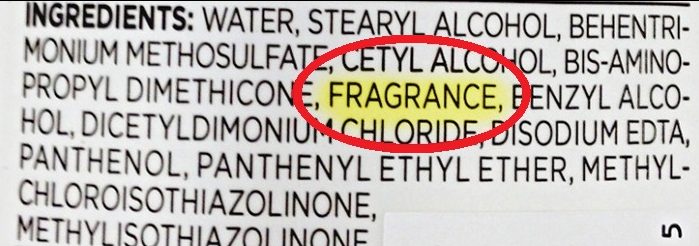
fragrance (or “parfum”) isn’t a single ingredient...
it’s a proprietary cocktail of dozens to hundreds of undisclosed chemicals, many with known endocrine-disrupting effects and increased cancer risk
because it’s protected as a trade secret, companies can hide this mixture under one word on the label, turning “fragrance” into one of the biggest and most harmful loopholes in consumer safety

there are very few laws preventing misleading marketing
even if a label says “clean,” “natural,” or “non-toxic,” the presence of fragrance/parfum in the ingredients can quietly override those claims
what does fragrance do inside our body?
inhale or absorb fragrance compounds → lipid-soluble fragrance chemicals enter blood and lymph → accumulate in fat, nervous system tissue, endocrine organs, and liver → disrupt neurologic, hormonal, and immune signaling → increase oxidative stress and detox demand → forces the body to continuously use cellular energy and resources for detoxification → repeated exposure contributes to cumulative toxic burden
unfortunately, shopping in stores can feel like navigating a minefield
the vast majority of products (personal care, cleaning products, laundry products) all contain fragrance → making it surprisingly difficult to find truly transparent, low-toxin options
start.reading.labels
if fragrance is in the ingredients ⇒ throw that garbage away
if you are struggling to get pregnant...
it may be worth simplifying and cleaning up both partners’ daily exposures and inputs:
»remove fragrance products (personal care, laundry, home)
»switch to organic cotton underwear and limit synthetic fabrics like polyester
»cut added sugar, highly processed foods, wheat, dairy, soy
small, consistent changes over time can help rebalance hormonal and reproductive pathways, creating a healthier internal environment for conception
optional numerology cheat code → try to conceive on a “5” day (5th, 14th, or 23rd)
mold is public enemy #3
mold doesn't have to be visible to be destroying your health
most mold exposure isn't from something you can see → it's from spores and mycotoxins hidden inside walls, HVAC systems, and water-damaged buildings
you will never fully heal in a moldy environment, no matter how clean your diet is or how many supplements you take...
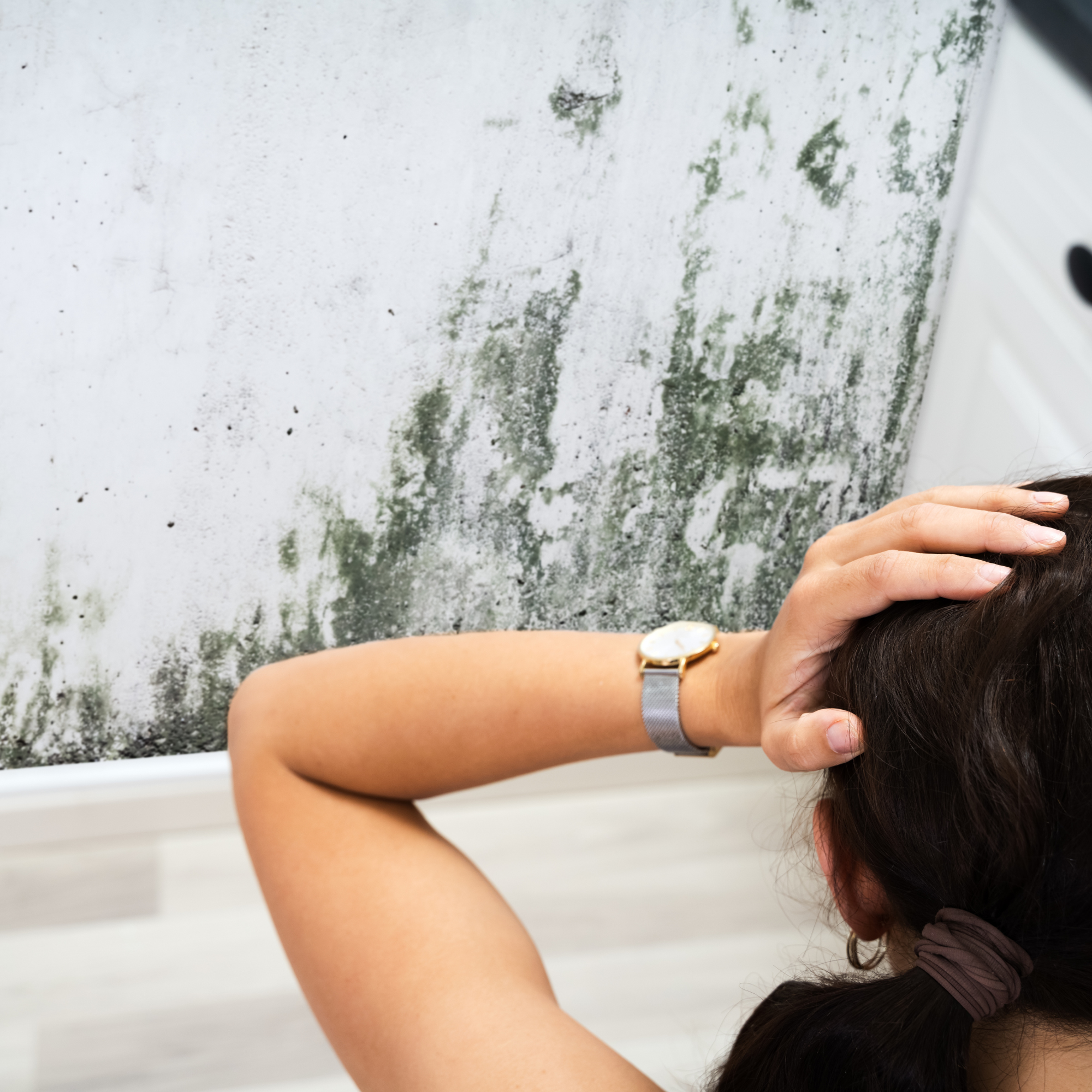
especially my nyc people → slumlords, aging buildings, poor ventilation, steam heat, and decades of hidden water damage make this one of the most mold-prone environments in the country
mold doesn’t just stay in the walls...you’re breathing it...
»mold and mycotoxins drain your system by stealing key nutrients like iron, magnesium, and zinc
and if your landlord keeps painting over it instead of properly remediating it → leave.yesterday.

important to note → if your environment still has mold or mycotoxins and you attempt to cleanse or detox, you will make yourself sicker (trust me, i know...)
your body can't clear what it's still being exposed to...
detoxing in an active mold environment is like trying to bail out a boat with a massive hole. you must remove the source first, always.
why is mold often missed?
heavy metals
more chemicals
so what do we do about it?
you don't have to overhaul your entire life overnight. but if you're going to start somewhere, start here...
these six swaps will remove more toxic exposure from your daily life than any supplement, detox kit, or wellness trend ever could
1. ditch fragrance→deodorant, lotion, and shampoo absorb directly into your bloodstream. if you can't pronounce it and it "smells clean," it's a chemical cocktail
2. at least 100% cotton underwear, boxers, bras, and leggings → your most intimate layers should never be synthetic
3. linen or organic cotton sheets → you're in them 8 hours a night. that's a third of your life spent either detoxing or absorbing
4. open your windows or get a HEPA air purifier → indoor air is 2-5x more polluted than outdoor air from off-gassing furniture, carpet, and paint. especially in NYC where your "fresh air" is also questionable
5. use a smart outlet to shut wifi router off at night and no charging phone near your head → you don't need to be bathed in EMF while you sleep
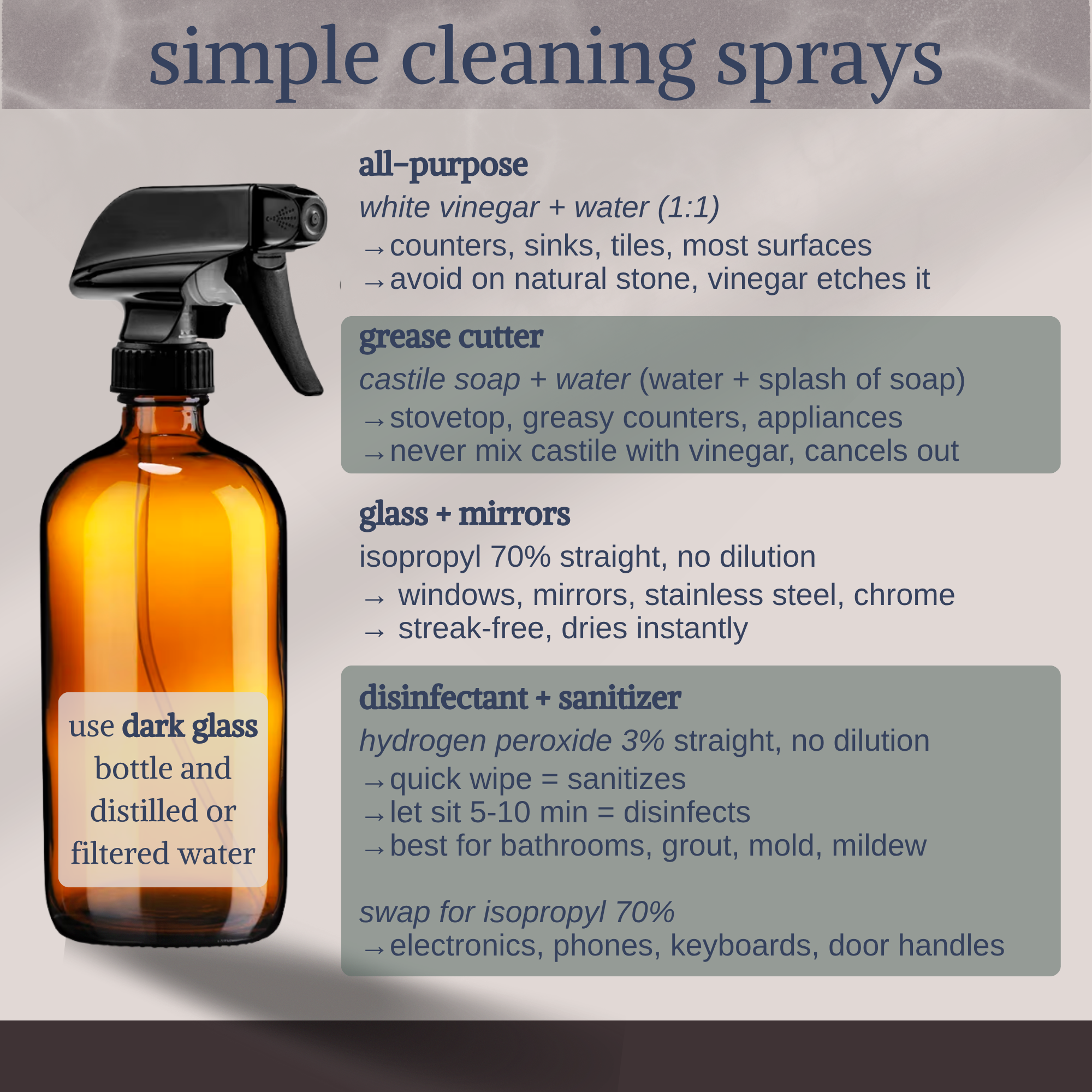
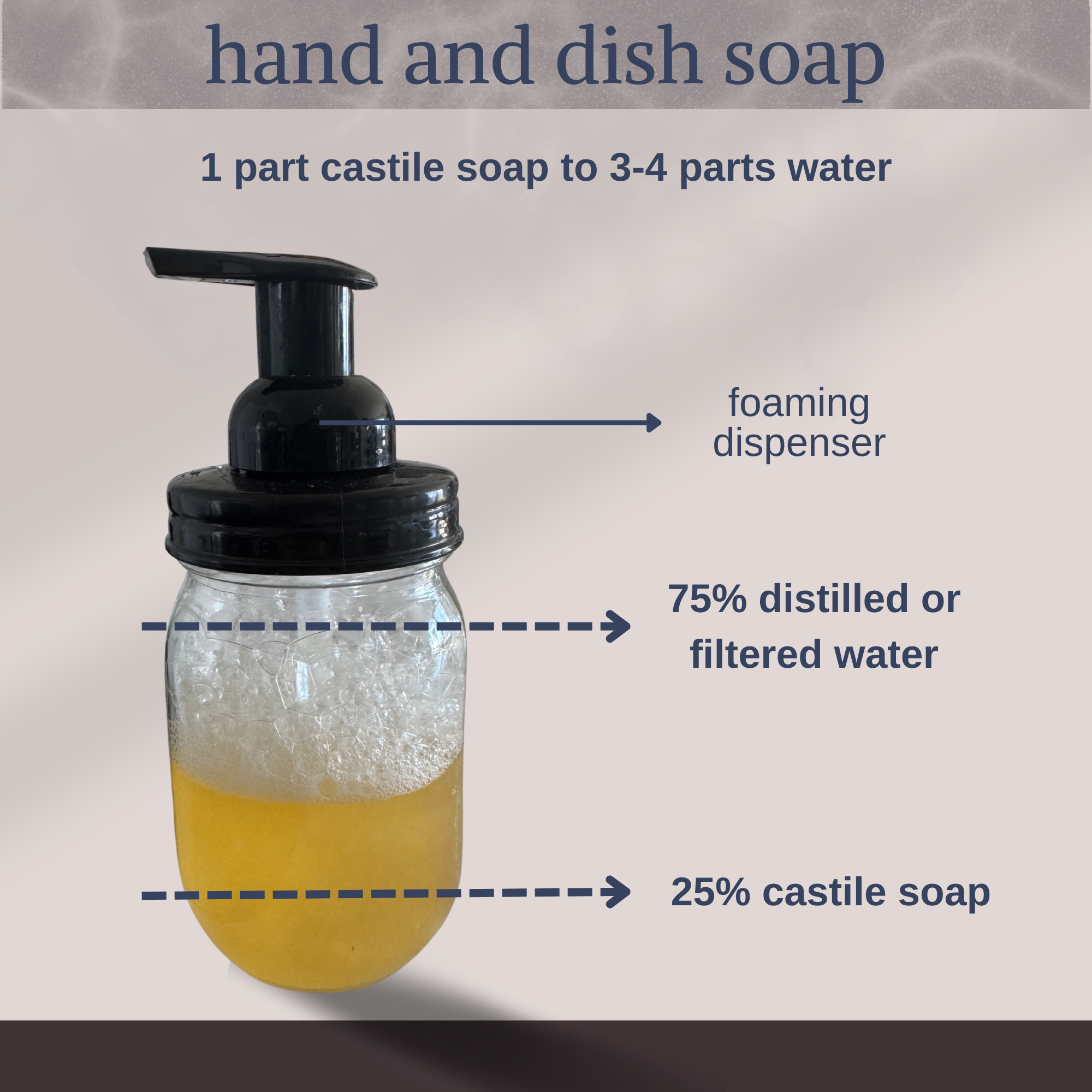
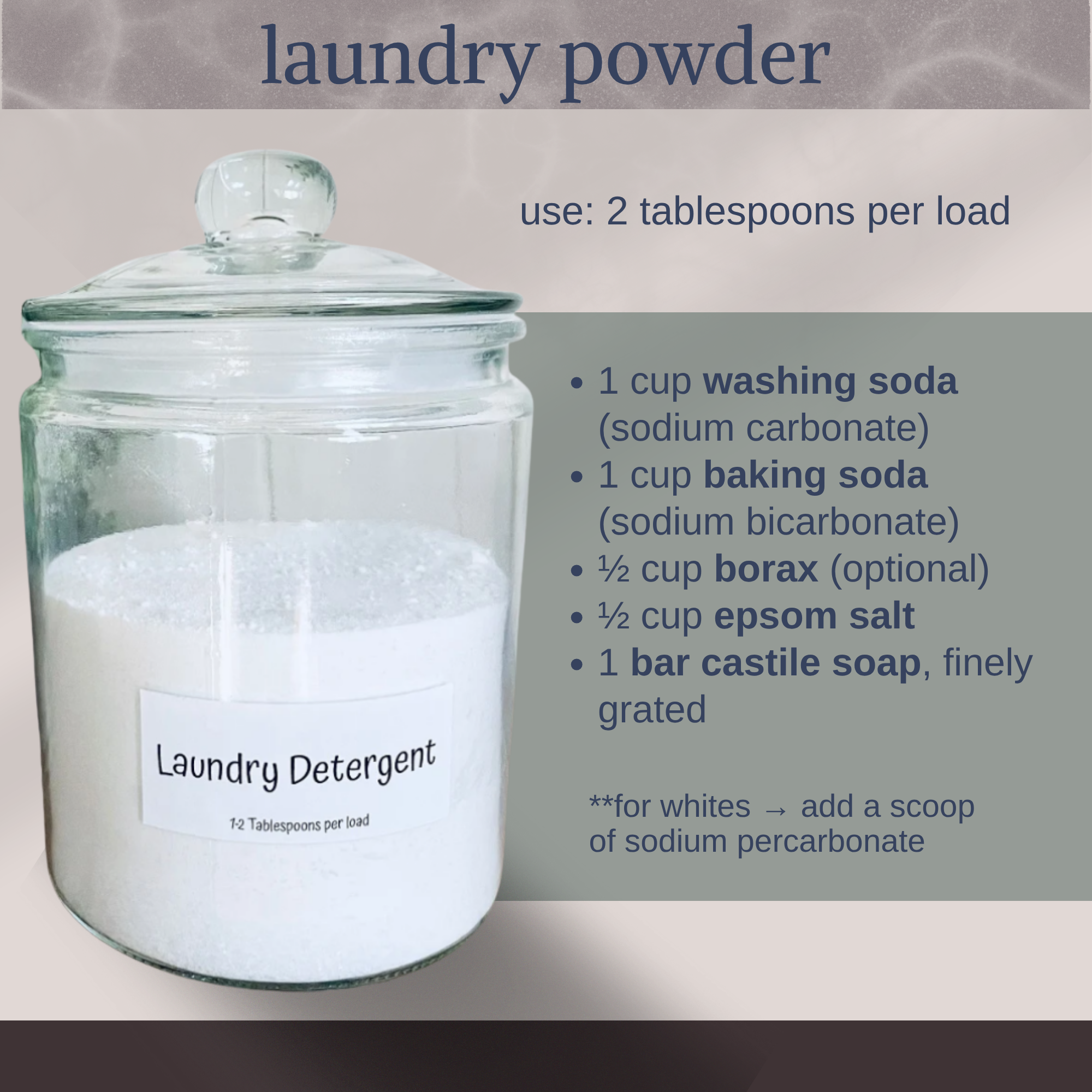
6. swap your cleaning products for simple homemade alternatives → distilled white vinegar, baking soda, castile soap, hydrogen peroxide, and isopropyl alcohol will clean your entire home for cheap and eliminate your exposure to toxic chemicals
things to look out for
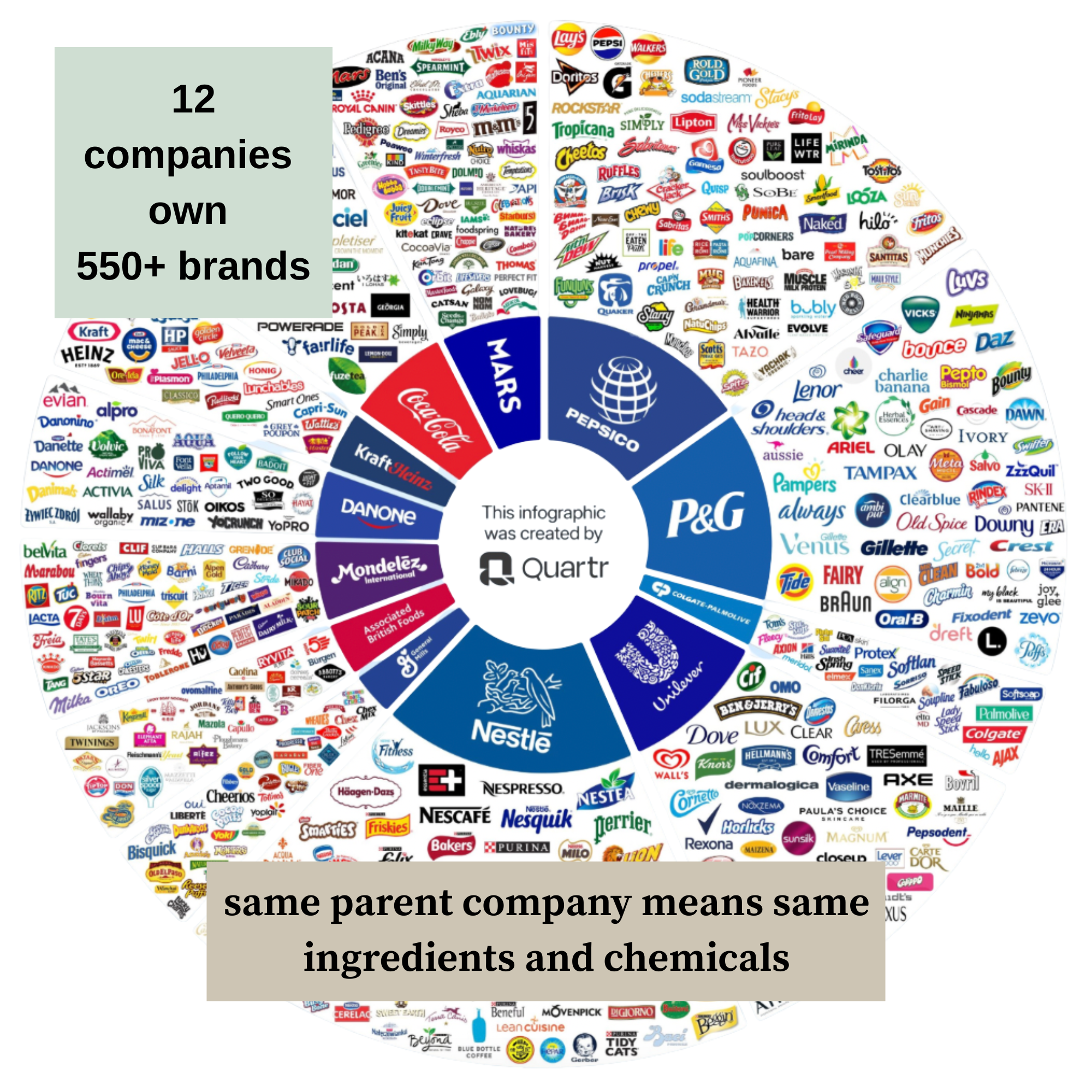
it appears as though we have endless options for consumer products…
but the truth is that about 12 companies own over 550 brands
which creates the illusion of choice while keeping ingredients and standards largely the same
prior to 2022 (MoCRA), the last major cosmetic regulation in the US was passed in 1938
1938…
excuse me?
so in a time when people were still using simple/natural products...and there were a total of 10ish products even available..
and for 80 years no laws were passed to account for all the complex chemical formulations that we use today...
...super sketchy
so, you really need to research these companies and protect yourself
back to the basics
6 ingredients cover all your cleaning needs:
»baking soda (abrasion) → scrubs residue, lifts grime, neutralizes odors
»borax (alkaline deep clean) → breaks down buildup, boosts laundry, helps control mold/mildew, deters pests
»castile soap (surfactant) → lifts dirt and grease so it can be rinsed away
»5 %distilled white vinegar (acid) → dissolves mineral buildup, cuts soap scum, restores shine
»3% hydrogen peroxide (oxidation) → kills microbes (needs longer contact time), breaks down organic matter, stains
»70% isopropyl alcohol (solvent + rapid disinfectant) → kills microbes, degreases, dries streak-free
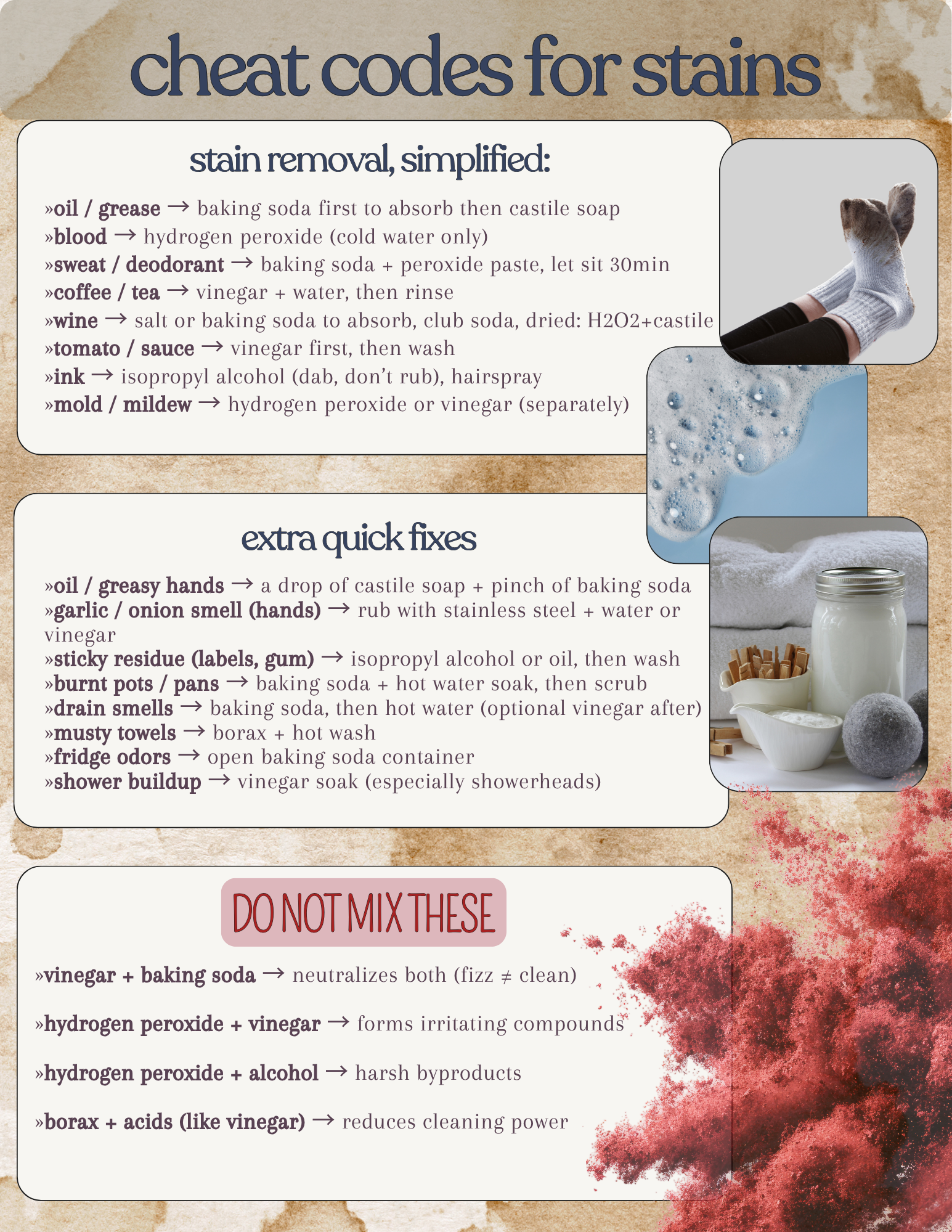
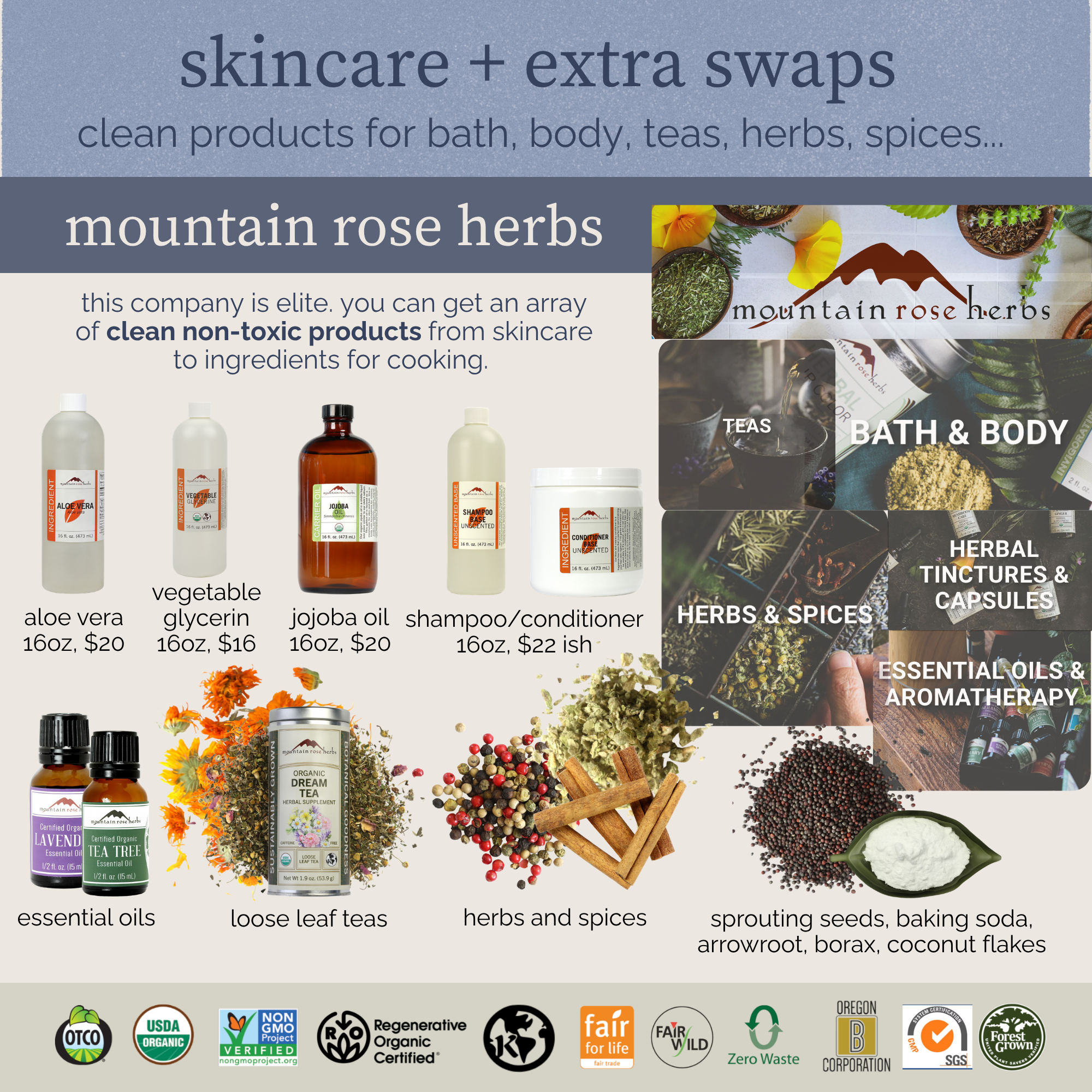
save money, make it yourself
less toxic replacements
*** i have no affiliation with any of the brands i suggest...i just dislike when people tell you to avoid something, but then don't give better options to use ***
there are other safe brands, but you have to learn to fish for yourself...